52
4.9
50
For startups & enterprise

Custom Web Application Development for Internal Tools & Dashboards

Build dashboards, admin portals, marketplaces, and workflow automation — MVP-first, then scale.

StarStarStarStarStar

00 of 5

00 of 5 based on 00 Clutch reviews

Case Studies

Web Services and Web Apps We Build

Five real projects and what they delivered — real-time dashboards, admin portals, workflow automation, and two-sided marketplaces.

Сountry flag
CA, USA
Jan. 2023 - Ongoing

Real-time IoT telemetry dashboard for a hardware startup

Live sensor monitoring web app with a map UI, weather overlays, and time-series analytics + reports for all installed devices.

Сountry flag
USA
June 2021 - Feb. 2024

Bridal platform

The Knot-style wedding planning marketplace for brides and vendors

An expansive bridal platform connecting brides and vendors, with features for inspiration, mood boards, and streamlined communication.

Сountry flag
USA
Mar. - Dec. 2022

Post Production Builder

Automated agent website generation platform for a mortgage company

Created a website builder for WOWMI startup, enabling them to migrate hundreds of Webflow sites to their own ecosystem and save $29 per site. Moreover, we cut down the time required to create a new site using their template from 16 business hours on Webflow to just 0.5 of an hour.

Сountry flag
Kazakhstan
Feb. 2022 - Jan. 2024

Olamavto.uz

Queue and customer flow management system for a Chevrolet dealership

Created a SAAS system for buying new Chevrolet via the trade-in system. Developed a used car evaluation and buyout chain with a trade hall administrator, sales managers, car appraisers, and supervisors. And personally traveled to Uzbekistan to test and set up everything.

Our 6-process system

End-to-End Web Service Delivery — On Time, On Budget

From JTBD-driven discovery to production launch: UX/UI, full-stack development, third-party integrations, and post-launch iteration.

Discovery → Research

You get target-audience interviews, JTBD-structured insights, wireframes, and copy — validated with quick hallway tests before anything moves into UI.

Build → Integrate

You get target-audience interviews, JTBD-structured insights, wireframes, and copy — validated with quick hallway tests before anything moves into UI.

UI Design

You get target-audience interviews, JTBD-structured insights, wireframes, and copy — validated with quick hallway tests before anything moves into UI.

Follow-through

You get target-audience interviews, JTBD-structured insights, wireframes, and copy — validated with quick hallway tests before anything moves into UI.

What Digital Butlers Builds 

You Get MVP-First Web App Delivery

Startups get help defining and launching an MVP. Existing businesses get a team that plugs into your workflow, ramps up fast, and ships improvements.
How You Work With Us

Dedicated Team & PM for Dashboards, Admin Portals, and Marketplaces

Clear ownership, full visibility, and proactive communication — you get a mature team that treats your goals like Alfred treats Batman’s.

You get a dedicated team and a PM. We can plug into your team and work under your leadership — or take full ownership and run delivery end-to-end.

You get real-time visibility with access to our Jira board — or we can join yours (Jira, Monday.com, Asana, Trello) and follow your workflow.

Every week, you get a short written update with what shipped, what’s in progress, what’s blocked, and what changes (if any) impact timeline.

Day-to-day communication happens in Slack (or messenger). But key decisions, status updates and timeline changes are confirmed by email.

4.9 for a reason

Hire a Custom Web Application Development Company — 4.9/5 on Clutch (52 Reviews)

Referrals are our #1 source of new work — that’s why we stay results-driven. When you hire us, you get a stable mid & senior team that’s worked together since May 2022.

00
Star
Star
Star
Star
Star

00 of 5 based on 00  Clutch reviews

Verified

Location

Сountry flag
CA, USA

Project length

Jan. 2019 - Ongoing
The dedication it takes to show up day in and day out is what has impressed me the most about this company.
Daniel Probert
CEO & Co-Founder
,
Wowmi

Location

Сountry flag
UK

Project length

May 2021 - Ongoing
We are impressed by their ability to share our vision.
Richard Sibley
Chief Product Officer
,
Karshare

Location

Сountry flag
UK

Project length

Nov. 2021 - Ongoing
We are very pleased with the outcome, and the e-commerce website works well for our customers.
Mark Tapscott
CCO
,
Breathecar

Location

Сountry flag
Germany

Project length

Dec. 2023 - Jan. 2024
The Digital Butlers team was friendly and professional.
Anastasia
Marketing & Administrative
,
KIMIMO

Location

Сountry flag
Cyprus

Project length

Feb. - May 2025
I always felt that they were working hard in the background and had our best interests in mind.
Johannes Schenk
Co-Founder
,
Coastalbliss

Location

Сountry flag
GA, USA

Project length

Jan. - May 2024
What we found most impressive about Digital Butlers was their proactive approach to enhancing our project.
Scott Thompson
CEO & Founder
,
Peechpay

Location

Сountry flag
Kazakhstan

Project length

June 2021 - Mar. 2023
They didn't just deliver a website; they crafted an immersive digital experience that reflected our concept's essence.
Anonymous
Project Manager
,
Car Dealership

Location

Сountry flag
MA, USA

Project length

June 2022 - Ongoing
All the work is done on time, strictly according to our schedule.
Dan Levinschi
Employee
,
EdTech Startup

Location

Сountry flag
NY, USA

Project length

Oct. 2022 - June 2023
We were most impressed with their ability to adapt to the client's changing needs and accelerated timelines.
Michael Williams
Project Manager
,
Digital Design Studio

Location

Сountry flag
LA, USA

Project length

July 2020 - Ongoing
They work fast and are highly professional.
Anonymous
Director of Marketing
,
Software Company

Location

Сountry flag
NY, USA

Project length

Mar. - May 2023
They also did their best to keep it within the budget we outlined.
Mukul Micky Lalchandani
President
,
UNDIVIDED
Community Recognition

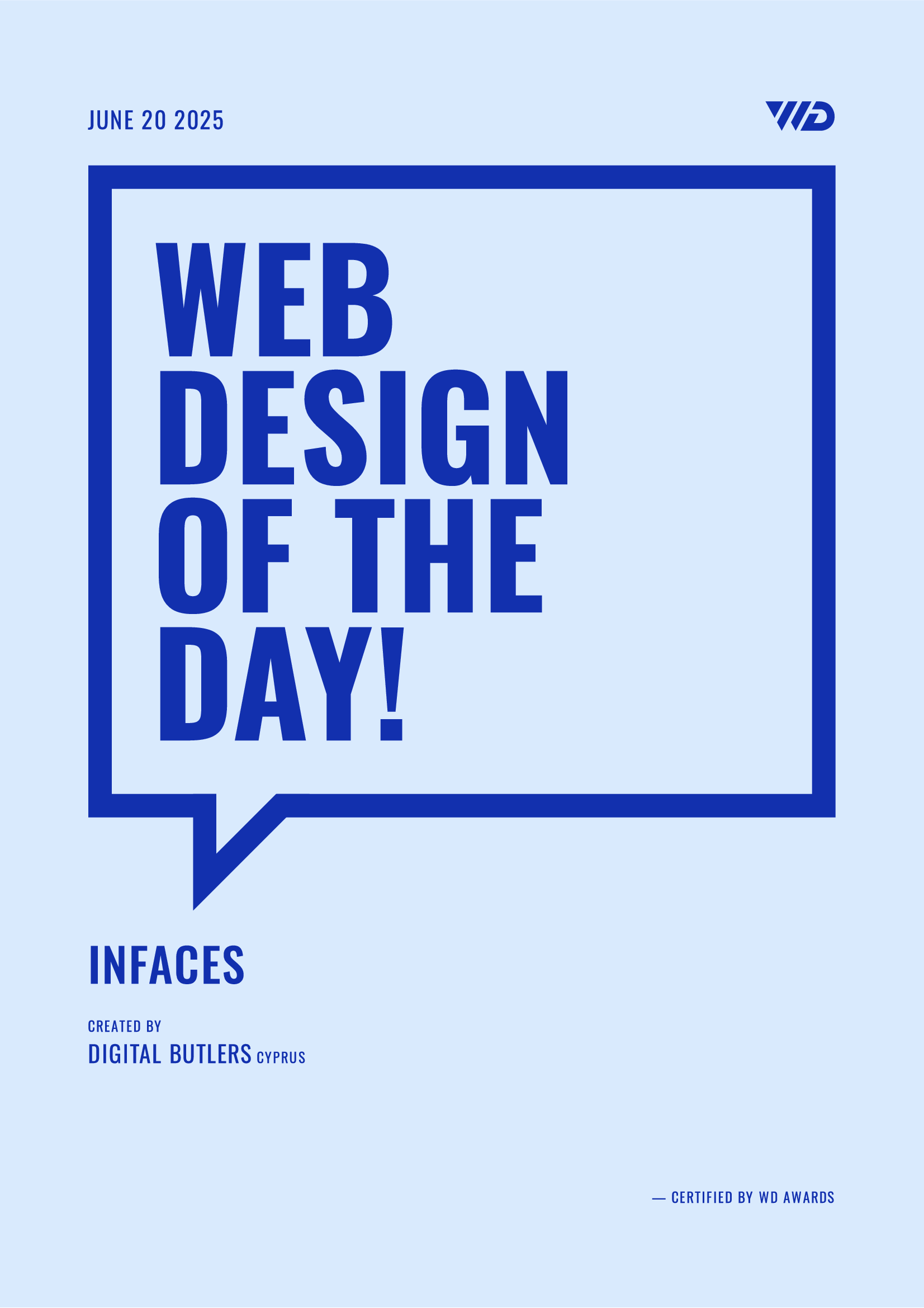
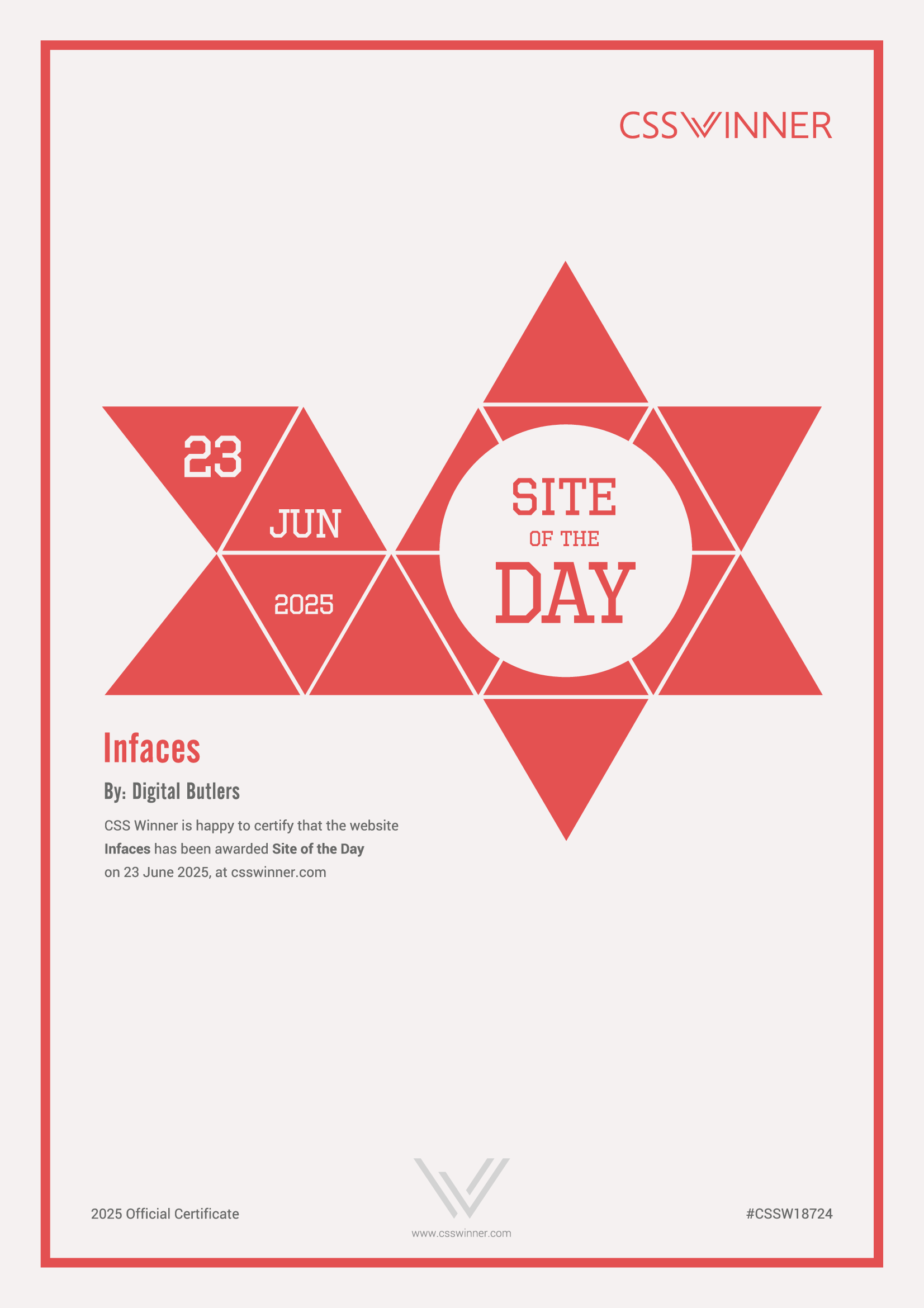
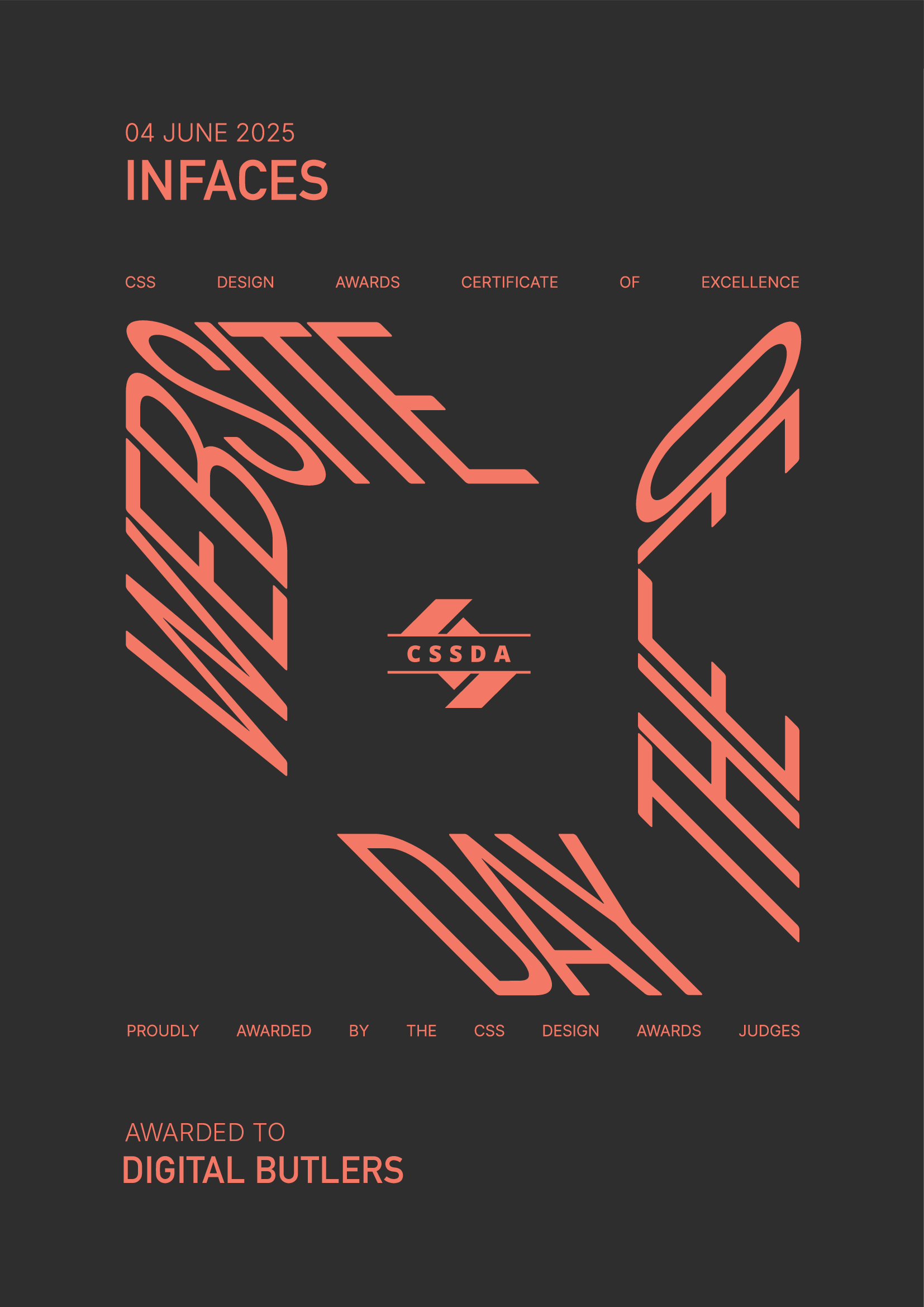
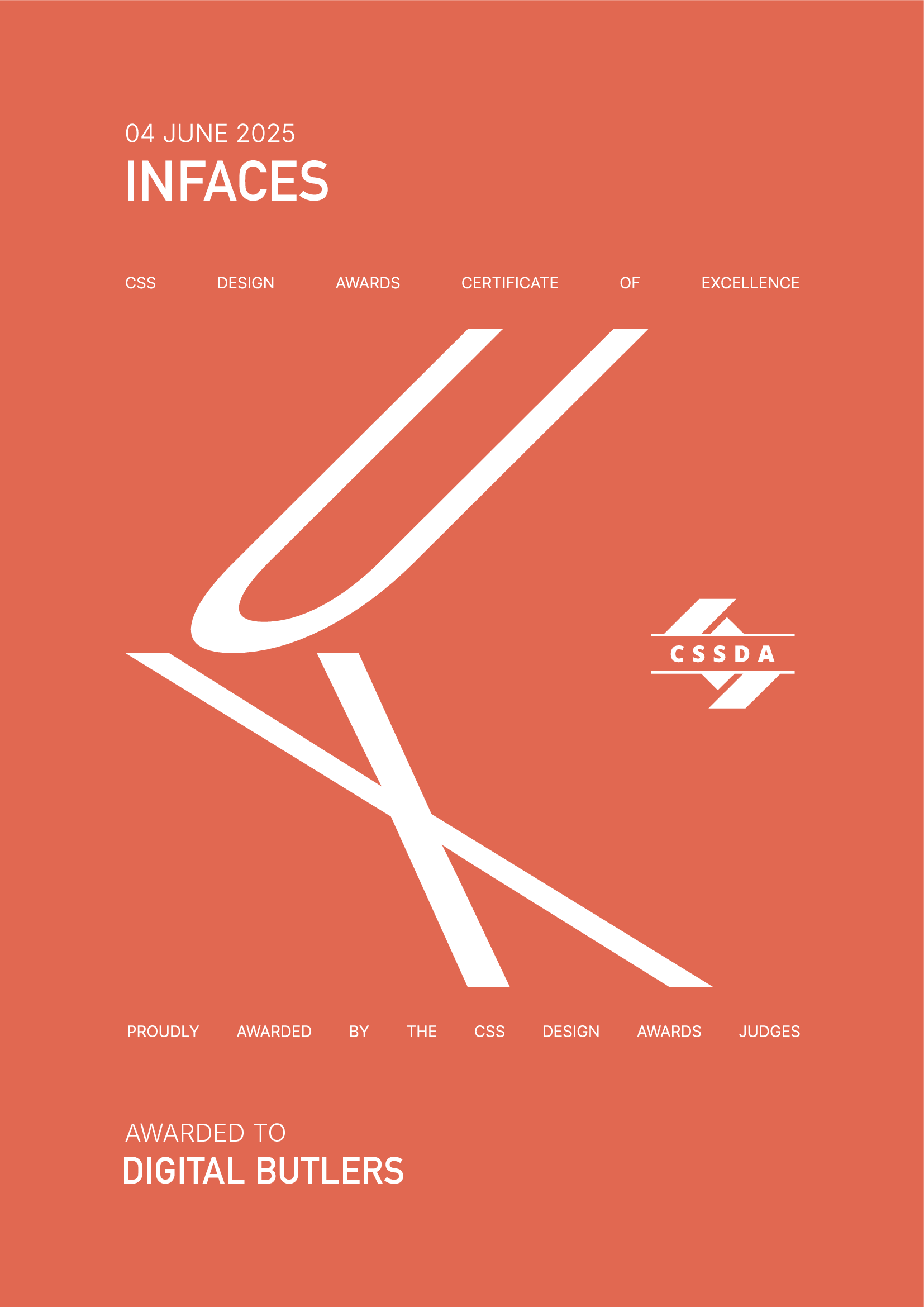
Award-Winning Web Development Agency — 109 Recognitions

These awards reflect what you care about most: predictable delivery, strong engineering, and real business outcomes.

Get an Estimate

Get a Custom Web App Cost Estimate On the First Call

You get a rough estimate on call #1 — and a precise scope, timeline, and budget after 3–5 short sessions.
Simplistic red outline of the Batman logo, featuring a bat silhouette within an oval shape.
FAQ

Questions About Custom Web App Development — Answered

How much does a custom web application cost?

We’ve worked on projects ranging from $10,000 to $350,000, as you can see, the cost can vary significantly due to the different goals and tasks at various stages of business development.

On the first stage, the project budgets (on average, based on our previous work) usually fall within the range of $15k–$45k. It’s impossible to give an exact price for your project without knowing the specifics, but we can provide an overview of what each stage typically includes.

Stage 1: Initial Development (MVP)

For MVP (Minimum Viable Product) versions, especially for unique products, the initial budget is often lower. This is because an MVP focuses on testing the core idea with limited functionality to see if it resonates with your target audience. In the early stages, when the product is still in development and there’s no established user base, features are typically driven by your vision and goals as the founder, rather than detailed user feedback.

Stage 2: Refining the Product

Once testing is successful and you start gaining real customers and feedback, the scope often expands. This is when we dive into understanding how to refine your product, based on insights into your users’ needs and behaviors. We focus on enhancing the product’s online presence and improving user interactions, making sure it aligns with both your business goals and customer expectations.

Stage 3: Competing in Established Markets

In highly competitive markets, launching with an MVP might not be enough. Often, the next step involves making your product stand out — offering something that goes beyond what competitors provide, to attract and retain users. 

For example, think back to the early days of messaging apps like WhatsApp. At the time, the idea of a simple messaging service was enough to disrupt communication. But today, launching a new messenger just for sending messages won’t cut it. To compete with WhatsApp, your product would need to offer something unique and innovative in addition to all the features WhatsApp already provides.

We’ve worked with startups that began with an MVP and later grew into successful companies, securing investment through continuous iterations and improvements based on user insights.

To get an estimate for developing your specific idea, leave us a message! We’ll schedule a call, learn more about your vision, and provide a realistic cost for your web application — whether it’s an MVP or a fully developed version. Check out our case studies to see the custom web applications we’ve built for our employers.

Can you give a ballpark estimate after the first call?

Yes, absolutely. In fact, right on the first call, we will provide you with a rough estimate — as long as you submit a request with a clear description of your idea, or better yet, some documentation (such as a brief, wireframes, or specifications), we’ll come to the call prepared with some initial numbers.

However, if you only have an idea and no detailed specifications yet, that’s perfectly fine. Just leave a request, and we’ll work with you to define your project’s scope and user flow during the evaluation process. After the first meeting, after gathering all the necessary details and asking the right questions, we’ll provide a preliminary estimate and user flow draft.

From there, we’ll refine the details together, step by step, until we’re clear on how your idea should work, look, and how users will interact with it. Once everything is locked in, we can move forward with a fixed-price contract, giving you a guarantee that the cost and timeline will stay as agreed, no matter what.

How long does it take to build an MVP?

We have a strong team of six backend developers, eight frontend developers, and four designers, two of whom specialize in UX research and prototyping. We’ve been working together since 2022, which means we can handle large projects efficiently without chaos. When it comes to timelines, our main limitation isn’t our capability — it’s aligning with your deadlines.

If you have tight deadlines, we have the experience to manage them. For example, we once launched an MVP for Kazakhstan’s largest automotive manufacturer just in time for a national expo attended by the President. The presentation was a success, and while we can’t disclose the exact sales figures due to confidentiality agreements, we can say that they sold enough cars right away to be very happy with the results.

Another example is when we helped a startup focused on creating a wildfire detection sensor. Their feature article was set to go live on Forbes on March 31st, and the website had to be up and running by then to allow pre-orders. Despite the pressure, we launched the site on time, and it received a strong response right after the article went live. The startup has since grown into a successful company.

If you need a large, dedicated team to hit the ground running, we have the experience to make it happen. Leave us a message, and let’s discuss your project.

What can you build with a $30k budget?

A $30k budget is a great starting point for many business ideas. While it’s hard to say if it’s enough to bring your entire vision to life, if your budget is limited, we’ll work with you to define a scope and functionality that aligns with your budget.

Do you do product discovery and research — or only build what we specify?

Yes, we absolutely handle both. In fact, these are the first two stages in our 6-process system: Discovery and Research.

During the Discovery phase, we immerse ourselves in your business, product, or service. Our goal is to define what needs to be built, how it should work, and what outcomes we need to achieve. We focus on understanding the project’s objectives and setting clear goals.

Once we move to the Research phase, we dive deeper into understanding your target audience and competitors. We conduct interviews, gather feedback, create wireframes, build clickable prototypes, and perform corridor testing — all of which lay the foundation for design and development.

Can you work with a detailed spec — and just execute?

Yes, absolutely. The more detailed the specification, the more accurate our estimate, and the better the overall result. A clear spec minimizes blockers during development, speeds up the process, and ensures cleaner code. That’s why we always work from a specification.

If you provide a spec, we can skip the discovery and research phases, and jump straight into design or development. This can save time and help us deliver a tangible product faster — one that you can interact with, test, and gather feedback on.

Alternatively, if you don’t have a spec, we’ll develop it as part of our discovery and research phases before moving on to design and development.

Do you do design only, development only, or end-to-end delivery?

Yes, we handle all of the above. If you’re wondering whether we can implement designs created by another designer, the answer is yes. The same goes for design and backend — we can execute specific tasks.

We also have extensive experience working in an outstaff model. If you need us to become part of your team, we can do that too. We often collaborate with branding agencies, saving them time and resources by bringing in additional developers when needed.

Over the years, we’ve developed effective collaboration rules. For example, designers detail every button link, create mobile and tablet versions, and add animations and notes in Figma. Frontend developers, especially during redesigns, ensure the markup preserves class names and structure, making integration smoother.

We can either integrate into your processes or bring you into ours. For example, when we worked with an employer who provided their own frontend, we invited them to our Jira and joined all our meetings. On the flip side, we’ve also fully integrated into employers’ systems, including their Jira and tools.

However, combining two teams can be challenging and often leads to errors that wouldn’t happen in a more synchronized team.

So, if you’re unsure or feeling uncertain, that’s completely normal — we feel the same way every time we’re invited to work in an outstaff model. Let’s just test it out. Give us a small task, something you’re already clear on, and let’s see how it goes. This will help us assess how well we work together and decide if we’re a good fit for the long run.

Can you build internal tools, admin panels, dashboards, or marketplaces?

Yes, absolutely. We have extensive experience building a wide range of internal tools, admin panels, dashboards, and marketplaces. Some of our projects include platforms with one-time password access, traditional password-based logins that users can create and modify, as well as SMS verification or subscription-based access with payments through Stripe and other payment systems.

We’ve worked on systems that display key product data, such as most popular items, user favorites, and other performance metrics. In addition, we’ve built internal chat systems and interactive features like real-time maps that display live data, such as weather conditions, air quality, and wildfire status.

We’ve also developed an internal platform for purchasing cars online, connecting with banks via a payment gateway for instant loan approvals, and verifying users through camera integration to record short videos. Additionally, we’ve organized a queue management system for car dealerships, covering everything from sales managers to credit agents, evaluators, and even trade-ins for used cars.

One example of this is a full dealership platform where a manager simply clicks a button to start an evaluation process, triggering a notification for the evaluator to assess the car. The evaluator uses an iPad to photograph the car, immediately documenting any defects, adding comments, and uploading photos directly into the system. 

We have a lot of experience building these kinds of tools and more. For example, we also developed an internal platform for analyzing the behavior of popular crypto traders and their activities with meme coins. We connected with over four different third-party services, processed the data using complex formulas, and displayed key metrics that helped predict the future behavior of these traders based on the trades they made with meme coins. 

For more details on our projects, feel free to check out our case studies!

Can you integrate with Stripe, HubSpot/Zoho, Google Analytics, Mailchimp, Twilio, Salesforce?

Yes, we’ve integrated each of these services dozens of times. In fact, in the email marketing space, we even built our own web service, Wmails.io, designed to seamlessly connect a website built on Webflow directly through Webflow login. It allows you to set up email campaigns or entire email sequences without any API connections, complex integrations, or code — anyone can do it with no developers needed.

We’re experts at integrating all of these tools, and if a service has an API, we’ll connect it. If the documentation is great, even better. If it’s lacking, no problem — we’ve dealt with that too. We’ll figure it out, and then create our own clear documentation on how exactly the integration works, so you or your future developers can easily maintain and understand it.

Our experience goes well beyond the services mentioned in the question. We’ve worked extensively with real estate platforms, review aggregation services, booking systems, payment gateways, and more. If you need something integrated, or if it comes up during development, it will all be handled internally by our team. You won’t need to find and coordinate with additional contractors, saving you time and hassle.

Will we get a dedicated team and a project manager — and how do you report progress?

You’ll have a dedicated project manager and a custom team tailored to your project. We carefully select team members based on their strengths, ensuring the right people are assigned to the right tasks.

We always start with an introduction meeting, where we get to know each other and set clear expectations. Our communication channels are well-defined — we send important information and reports via email to keep everything organized.

Every week, we send you a progress report summarizing what was accomplished, outlining plans for the upcoming week, and updating you on where we are in terms of the timeline. We estimate the final project deadline with some flexibility, as these projects often span several months — sometimes even six months or more. However, we always track the completion dates for each phase, so you’ll know exactly where we stand at any given time.

At the end of each phase — whether it’s research, prototyping, design, or development — we hold mini retrospectives. These meetings help us review what went well, identify areas for improvement, and refine our processes going forward. And, of course, a final retrospective takes place at the end of the project.

Your project manager and the team are always available to you. We’re happy to hop on a call whenever you have questions. We’ll also set up a communication channel like Slack or WhatsApp for routine discussions and quick check-ins.

You can always check in, ask about progress, and know exactly what the team is working on. We can even provide you with access to our Jira board so you can track the project’s progress and see how tasks are moving through the pipeline. Our processes are highly synchronized, ensuring smooth communication and efficient delivery.

If you want us to fully integrate into your team — allowing you to set priorities, assign tasks, and manage the work as if we were in the next office — that’s also an option. Just let us know, and we’ll seamlessly integrate into your cadence, whether it’s Jira, Asana, Monday, or any other tool you’re using. We’ll join your daily meetings, progress reports, and everything else. This is a collaboration model we’re experienced with, working in an outstaffing model.

How do you work with in-house teams (we have developers but no designers — or vice versa)?

We have plenty of experience working with in-house teams, and we’ve often worked in an outstaffing model, where we fully integrate our team into your processes. This means we plug into your Jira or any other task manager you use, like Monday, Asana, etc., and participate in your team cadences — daily stand-ups, retrospectives, presentations, and so on. You can assign tasks directly, set priorities, ask questions, and communicate directly with developers.

Even though we integrate fully into your team, we still provide a project manager who ensures seamless communication. They take care of keeping track of everything: task details, checklists, and any important documents. This way, our developers don’t have to keep everything in their heads, and nothing slips through the cracks.

We’ve worked with various agencies and studios over the years, building long-term relationships because it’s often more cost-effective for them to call us in for periodic work rather than keeping a developer on the bench. Through years of collaboration, we’ve developed efficient processes to make this kind of teamwork as smooth as possible. For instance, our designers always make sure to mark every button, every link, and leave comments on how animations should work before handing designs over to your developers. 

On the development side, let’s say you need to update the design of your platform, and your backend is ready to integrate, but you need frontend work. In this case, our frontend developers will carefully study your existing markup structure, class names, and IDs. We’ll prepare everything for a smooth handoff, so your backend team can integrate our frontend with minimal hassle. 

Of course, we can’t promise it will always be flawless, as merging two teams with different workflows and best practices can be challenging. But we know how to minimize these challenges, and the longer we work together, the more seamless the process becomes.

We always suggest testing this collaboration with a small, simple task first — something quick to implement. This will give you a chance to assess the code quality, communication methods, and decide if we’re the right fit for a longer-term partnership.

What happens after launch — do you provide support and improvements?

Any bugs, errors, or issues that come up after launch, we fix immediately and without question. We take full responsibility for making sure everything works as it should.

When it comes to support, we love diving into analytics to see how the service we’ve built is performing. We look at how the metrics have improved compared to before the update, if there are any numbers to analyze. Based on this data, we form hypotheses about what else can be improved or added to make the product even better. If your service has a commercial focus and there’s data to analyze, we’re more than happy to take that on and provide actionable insights.

For our employers who need ongoing support after the product is launched, we offer a special support contract with very favorable terms. It’s a great option if you want to have an almost in-house team — just imagine having that team on another floor, at a lower cost than hiring and training a full-time employee for these tasks.

Who owns the code and IP after delivery?

Oh, this is an important point. When we deliver the project, we don’t just transfer the code to your live server, but also all the scripts that make the service work and tie it all together into a functional product. We do this to protect you from any unforeseen issues that could arise with our server. Even though we use a reliable server, there are always a couple of days each year when there are attacks, or something unexpected happens, and the server might go down. To make sure this doesn’t affect your work, we always move all the scripts and code to your server.

If you don’t have your own server or don’t have experience setting one up, no worries — we’ll guide you through it and transfer your web service to your server with no issues. We’ve done this plenty of times, and you can trust us with it.

Now, of course, there are times when we need to launch quickly, like when we’re doing a demo for investors or showing something that’s not quite ready yet. In those cases, we can host the service on our server if you need it. But, overall, we prefer not to keep your code on our server.

Also, just to mention, we usually keep the latest version of the code on our side for backup purposes for about a year. Sometimes, you wouldn’t believe it, but something as simple as an unpaid server bill can cause the provider to delete everything. We’ve had that happen a couple of times, and that’s where having a backup saved us. But after a year, we delete everything. Honestly, we don’t need your code. It fully belongs to you, and the results of our work belong to you as well.

What tools do you use for communication and project tracking (Slack, Jira, weekly updates)?

We use Jira to manage tasks and work in weekly sprints, but we also follow Kanban principles. We’ve undergone special training for this, and our Jira setup is fully optimized. You can get an idea of how it looks in the second video on our /how-we-work page — if you haven’t seen it yet, you can check it out here.

For communication, we use email as the place where we store all agreements, meeting summaries, timelines, and anything else that’s important. 

For day-to-day communication, we’re flexible and can work in any messaging platform that’s convenient for your team — whether it’s Slack, WhatsApp, or something else. We’ll fit right into your workflow. If you want us to integrate into your processes and become a part of your team, no problem at all. We have experience working with Asana, Monday, Trello — you name it. We can easily adapt and participate in your team’s cadences, whether it’s daily stand-ups, reports, or presentations. It’s all part of the job for us.

When it comes to our processes, we meet weekly to review what’s been done, plan for the upcoming week, and pull cards from the backlog into the Ready for Analysis columns in our Jira. We assign tasks, discuss blockers or issues, and send you a written report either by email or through your preferred messaging platform.

We also conduct retrospectives not only at the end of the entire project but after each major phase, such as research, prototyping, design, and so on. Every key stage gets a retrospective.

Staying connected with you and working as one team is crucial. One of the main responsibilities of our project manager is to quickly resolve any blockers, issues, or obstacles that arise within the team. We’re always available to answer questions, and you can reach out to us at any time. Likewise, we expect to be able to ask you questions when the team faces any challenges during the project.

Written by Humans

What to Read Before You Start 
a Custom Web App Project

Three short guides on scoping an MVP, getting an accurate estimate, and choosing the right web development agency.

10 min to read

The Ultimate Guide to Choosing a Web Studio

November 24, 2025
5 min to read

Figure out what you really need before you brief?

October 17, 2025
6 min to read

What Happens After You Send Us a Brief?

October 17, 2025
10 min to read

The Ultimate Guide to Choosing a Web Studio

November 24, 2025
6 min to read

What Happens After You Send Us a Brief?

October 17, 2025
5 min to read

Figure out what you really need before you brief?

October 17, 2025
Alex Kirilenko

Let's discuss your project.

My name is Alex and I am your potential Digital Butler

Error message
Error email
Max file size 10MB.
Uploading...
fileuploaded.jpg
Upload failed. Max size for files is 10 MB.
Thank you! Your submission has been received!
Oops! Something went wrong while submitting the form.
Hello there!